Are You a Grey Area Drinker?
By Sophie Solmini
Founder, ICADC, MATS, NCRC
Clinical Context: This article is reviewed by a Certified Alcohol and Drug Counsellor. It provides educational information and is not a substitute for professional medical advice.
The Quiet Question
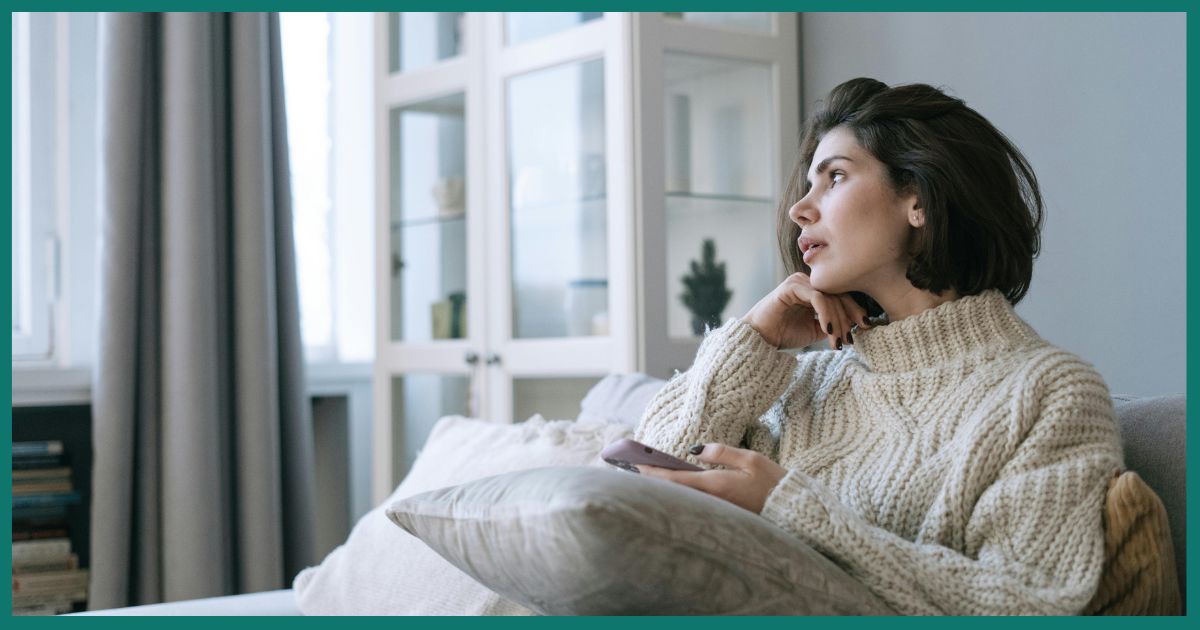
Sarah had a rule. No wine before 6pm. Most days she kept it. On harder days she poured at 5:45 and told herself it was close enough. She was not an alcoholic. She knew what that looked like. She had grown up watching it. She went to work, paid her bills, showed up for her kids. But somewhere in the back of her mind, a quiet question had been running for years: why can't I just stop when I say I will?
This is grey area drinking. And if you are reading this, there is a reasonable chance you already know what it feels like from the inside.
What Is Grey Area Drinking?
Grey area drinking sits in the space between what most people would call social drinking and what gets formally diagnosed as alcohol use disorder. Grey area drinkers are not physically dependent on alcohol. They do not drink in the morning. They do not lose jobs or make scenes at family dinners. They can go stretches without drinking, and they often do.
The problem is the pattern. The rules that keep getting adjusted. The mental real estate that drinking takes up. The Sunday morning feeling that is not quite a hangover but is not quite fine either. The private worry that has been sitting quietly for a year, or five, or ten.
Canada's Centre on Substance Use and Addiction updated its low-risk drinking guidelines in 2023, dropping the recommended limit to two drinks per week for everyone. That shift put a lot of people in an uncomfortable position. If you had been drinking three or four glasses of wine a week and calling it moderate, the new guidelines reframe that as elevated risk. Not rock bottom. Not alcoholism. But not nothing either.
Why It Is So Hard to Name
One of the most exhausting things about grey area drinking is the internal argument it generates. You can always find evidence that you are fine. You went two weeks without drinking last January. You do not drink at lunch. Your colleague drinks far more than you do. Your doctor has never flagged anything.
And yet the question keeps coming back.
Grey area drinkers often describe a cycle of cutting back, feeling good, relaxing their rules, drinking more, feeling bad, and cutting back again. The cycle itself is information. It means your relationship with alcohol is requiring management. That is not the same as being out of control, but it is also not the same as being free.
The shame piece matters here too. Because grey area drinking does not look dramatic from the outside, it can be hard to ask for help without feeling like you are overreacting. Many people spend years deciding whether their drinking is "bad enough" to warrant attention. The answer is that you do not need to hit a threshold to deserve support. You do not need a diagnosis to want something different.
What Actually Helps
The good news is that grey area drinking responds very well to treatment, precisely because you have not crossed into physical dependence. Your brain's reward pathways are still in the process of being conditioned, which means the conditioning is interruptible.
The Sinclair Method, which uses Naltrexone taken before drinking, works by gradually extinguishing the neurological reward alcohol produces. Over weeks and months, the craving simply diminishes because the drink stops delivering what the brain has been chasing. You do not need to white-knuckle your way to sobriety. The medication does the neurological work while therapy helps you understand what the drinking has been managing in the first place.
This is exactly the population The Sinclair Method was designed for. You do not need to identify as an alcoholic to use it. You do not need to have lost everything. You need to have a pattern that is bothering you, and the willingness to try something different.
How Heal@Home Can Help
At Heal@Home, we see grey area drinkers regularly. Many of them have never told anyone they were concerned about their drinking before they reached out to us. They chose us partly because the whole process is virtual, private, and does not require a referral from a GP who might dismiss the concern or suggest AA as the only option.
Here is how it works. You book a confidential assessment online. You meet with a Canadian physician or nurse practitioner who specializes in addiction medicine and actually understands The Sinclair Method. If appropriate, they prescribe Naltrexone directly to your pharmacy. You are also matched with a counsellor who helps you work on the triggers and patterns underneath the drinking.
No waiting rooms. No labels you have to accept. No requirement that you have hit rock bottom before someone takes you seriously.
Does Sarah's story sound familiar?
That quiet question you have been carrying does not have to keep running in the background. Book a confidential consultation with our team. No judgment, no pressure, just an honest conversation about whether The Sinclair Method is right for you. Contact us today or call 647-545-6751.
Interested in our Program?
Our team provides a private, 12-week protocol designed to help you regain control from home.
Speak with our Team