Beyond the Glass: How to Relax & Socialize Without Alcohol in Ontario
By Sophie Solmini
Founder, ICADC, MATS, NCRC
Clinical Context: This article is reviewed by a Certified Alcohol and Drug Counsellor. It provides educational information and is not a substitute for professional medical advice.
The sound of the laptop closing, the deep sigh after a long commute on the Gardiner or the 401,for many of us in Ontario, these are cues that have become hardwired to a single thought: 'I need a drink.' That glass of wine while cooking dinner, the cold beer after a stressful day; they become rituals, deeply ingrained in our lives as the primary tools for relaxation.
So, what happens when you decide you want to change that? When you want to cut back or quit, you’re not just giving up a substance; you’re giving up your main coping mechanism. This leaves two huge, practical questions: 'What am I supposed to do to relax now?' and 'How do I even handle a social situation without a drink in my hand?'
These are the real, human questions that come up when you decide to change your relationship with alcohol. At Heal@Home, we believe the answer isn't about restriction; it's about discovery. It's about intentionally creating new, healthier rituals for unwinding and finding sophisticated, enjoyable alternatives for socializing. This guide is your practical starting point.
Creating New Rituals: How to Truly Unwind After a Long Day
The brain loves patterns. The key to relaxing without alcohol is to consciously replace the old drinking ritual with a new one. This is not about willpower; it's about intentional replacement.
- The 'Transition' Walk: Before you even step inside your home, try a five-minute walk around the block. This simple act creates a physical and mental separation between your work life and your home life.
- Engage Your Senses Differently: The ritual of drinking is sensory. Create a new one. Brew a high-quality, fragrant loose-leaf tea. The focus and aroma can be incredibly grounding.
- Mindful Listening: Put on an album you love,not as background noise, but as the main event. Lie on the couch, put on headphones, and just listen for 15-20 minutes. This is a form of meditation that can dramatically lower stress levels.
- Physical Release: Stress lives in the body. A short, 10-minute session of stretching or following a gentle yoga video can release physical tension, which in turn calms the mind.
The Practical Guide to Sober Socializing: What to Drink When You're Not Drinking
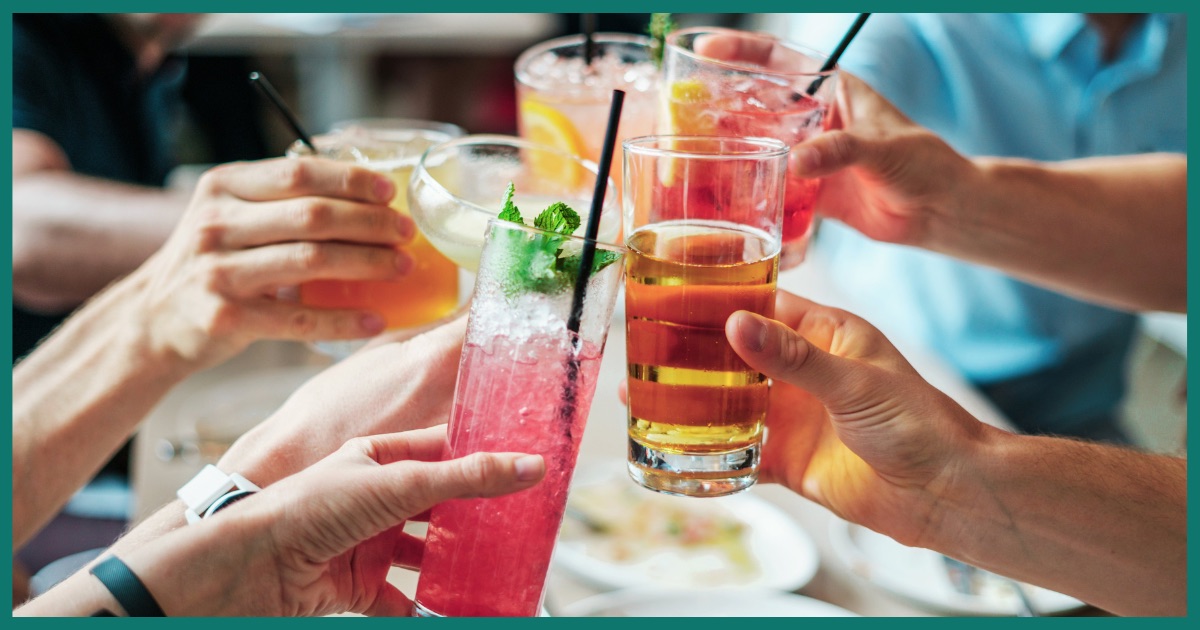
The social pressure to drink is real. The secret is to have a plan and to give yourself a sophisticated, enjoyable alternative. This isn't about drinking water while everyone else has cocktails; it's about upgrading your sober experience.
- Explore the NA Boom: The non-alcoholic beverage market in Canada has exploded. You can now find incredible craft NA beers, de-alcoholized wines, and complex botanical 'spirits' at the LCBO and specialty stores across Ontario.
- Become a Mocktail Expert (The Easy Way): Try these simple recipes, and for even more ideas, the Food Network offers a great collection of mocktail recipes.
The Spicy Mule: Fill a nice glass with ice, pour in a high-quality ginger beer, add a generous squeeze of fresh lime, and garnish with a thin slice of jalapeño.
The Cran-Rosemary Spritz: In a wine glass with ice, mix equal parts cranberry soda and tonic water. Garnish with a fresh sprig of rosemary.
- The Art of the Glass: Never underestimate the psychological power of presentation. Drinking sparkling water from a beautiful rocks glass feels infinitely more satisfying than from the can. It signals that this is a treat.
What If Cravings Still Overwhelm These New Habits?
If you've tried these tips and still feel like you're fighting an exhausting battle against the urge to drink, please hear this: you are not failing. Your brain has been trained to seek a powerful chemical reward, and sometimes, behavioural changes alone aren't enough. This often leads to the frustrating question of whether you can ever drink normally again.
This is where science can offer a helping hand. Modern, evidence-based alternatives to traditional rehab exist. Medication-Assisted Treatment (MAT) can work to quiet the 'background noise' of cravings by helping to break the powerful reward cycle in the brain. This gives you the mental space and freedom to allow these new, healthier habits and rituals to actually take root, and begin to redefine your relationship with alcohol on your own terms.
You Are in Control of Your New Chapter
Changing your relationship with alcohol is about what you're gaining: more energy, better sleep, and the freedom to choose how you relax and celebrate. If you're in Ontario and need extra support, contact Heal@Home to learn about our evidence-based programs.
Interested in our Program?
Our team provides a private, 12-week protocol designed to help you regain control from home.
Speak with our Team