What Is Acamprosate (Campral)? A Canadian Guide
By Sophie Solmini
Founder, ICADC, MATS, NCRC
Clinical Context: This article is reviewed by a Certified Alcohol and Drug Counsellor. It provides educational information and is not a substitute for professional medical advice.
The Medication Most Canadians Have Never Heard Of
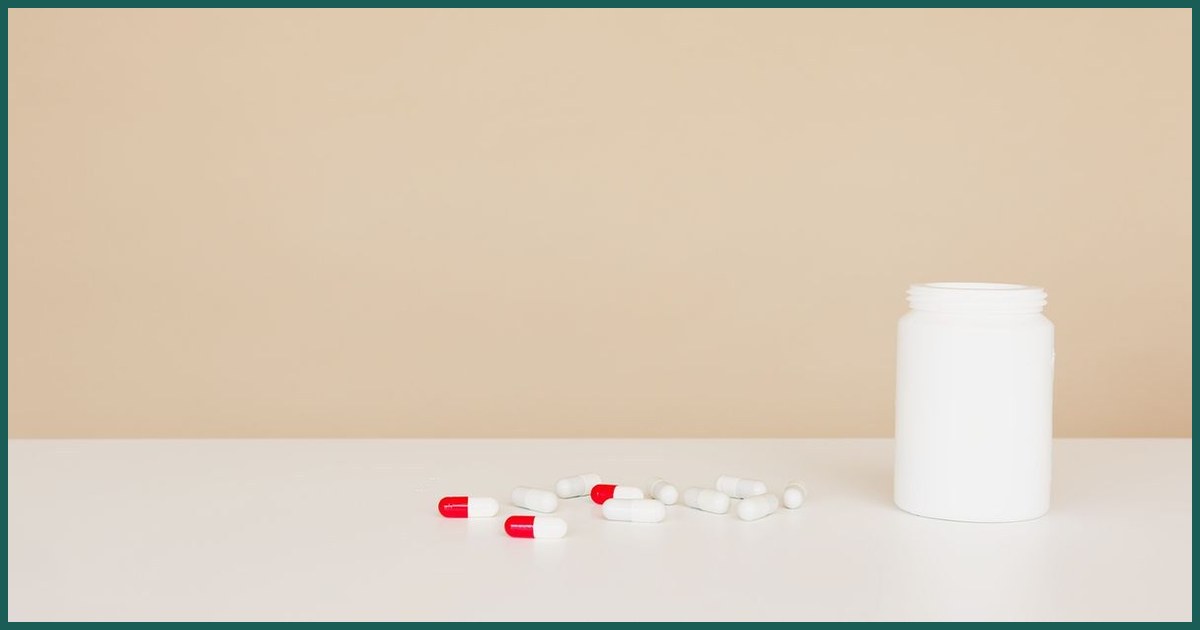
Acamprosate is a prescription medication that helps people stay off alcohol after they have stopped drinking. It works by calming the overactive brain chemistry that lingers for weeks after withdrawal, easing the restlessness, anxiety, and broken sleep that so often pull people back to the bottle. It is one of three medications approved for alcohol use disorder, alongside naltrexone and disulfiram, and it is consistently the least talked about of the three.
Maybe you are looking into this for yourself, worn down by the cycle of stopping and starting again. Maybe you are quietly researching it for someone you love and trying to understand what might actually help them. Either way, if you have come across the names acamprosate or Campral and left an appointment with more questions than answers, here is a clear, non-judgmental guide to what it is, whether you can get it in Canada, and how it compares to the other main option.
What Is Acamprosate, and How Does It Work?
Heavy drinking over a long time throws the brain's chemistry out of balance. Alcohol keeps the brain in an artificially calm, sedated state, so the brain adapts by revving itself up to compensate. When the drinking stops, that revved-up state is suddenly left exposed. The result is weeks, sometimes months, of anxiety, irritability, broken sleep, and a constant low hum of restlessness. It is one of the hardest parts of early sobriety, and it is a big reason people start drinking again just to make it stop.
Acamprosate works by helping the brain settle back into balance. It is not a sedative, it does not get you high, and you will not feel a buzz from it. What it does is gently turn down that background noise, so the first weeks without alcohol feel less raw and more bearable.
One thing shapes everything else about this medication: acamprosate is for staying stopped, not for cutting down while you are still drinking. It works best once you have already quit, and its whole job is to help you hold onto that.
Is Acamprosate Available in Canada?
Yes. Acamprosate is available and prescribable in Canada. Acamprosate is the medication itself, and Campral was simply its original brand name, so they are the same drug. Today it is usually dispensed as the generic, acamprosate, rather than under the Campral label. Health Canada's drug database lists it as an approved, currently available medication, so a Canadian doctor or nurse practitioner can prescribe it and your pharmacy can fill it.
It is not a controlled substance and it is not addictive. In Ontario, it is also covered by the Ontario Drug Benefit formulary under a Limited Use code, for people with a diagnosed alcohol use disorder who are engaged in treatment. Naltrexone sits on the same formulary as a general benefit, so it does not need that code.
The bigger barrier in Canada is not availability. It is awareness. As we cover in why only 2% of people get alcohol medication, the medications work and are affordable, but most family doctors were never trained to prescribe them. Many people have to seek out a clinician who actually understands the options before they can access one.
Acamprosate vs Naltrexone: What Is the Difference?
This is the question people search for most, and the short answer is that the two medications do different jobs.
| Acamprosate | Naltrexone | |
|---|---|---|
| What it does | Calms the restlessness and anxiety of being stopped | Blocks the reward that makes a drink feel good |
| When you take it | After you have already stopped drinking | While you are still drinking, about an hour before |
| Best for | Staying off alcohol long term | Reducing cravings and heavy drinking |
Naltrexone works on the pleasure side of drinking. It quietly blocks the reward signal that makes a drink feel good, which lowers cravings and how much you drink. Importantly, it works while you are still drinking, which is the foundation of The Sinclair Method, where you take naltrexone about an hour before you drink so the craving fades over time.
Acamprosate targets the discomfort of being stopped. It does nothing to the reward of a drink, but it calms the post-withdrawal brain so that staying abstinent is less of a daily battle. It is started after you quit.
Research backs this split. A 2013 meta-analysis of 64 trials by Maisel and colleagues found that acamprosate tends to be more effective at maintaining complete abstinence, while naltrexone is better at reducing heavy drinking and cravings. Neither is "stronger." They suit different goals, and some people are even prescribed both. For a deeper head-to-head, see our full comparison of naltrexone vs acamprosate.
Who Is Acamprosate For, and Who Should Avoid It?
Acamprosate is the strongest fit for someone who has already stopped drinking and wants to stay stopped, especially if early sobriety feels white-knuckled, anxious, and sleep-deprived. If your main struggle is the restlessness and unease of the first weeks and months, this is the medication built for that exact problem.
It is less suited to someone who is still drinking and wants to cut down without quitting completely first. For that goal, naltrexone and The Sinclair Method are usually the better starting point.
If you are reading this for someone you love, the same logic holds: acamprosate fits best once that person has decided to stop and wants help staying there. It is not something that works on someone who is not ready yet, and it is not a way to quietly fix a person who has not chosen treatment. What you can do is understand the options, so that when they are ready, you can point them somewhere that actually helps.
On safety, acamprosate is cleared by the kidneys rather than the liver, which can be a real advantage for people whose liver has already taken a hit from years of drinking. The trade-off is that it needs a lower dose, or needs to be avoided, when the kidneys are not working well, and it is not given to people with serious kidney problems. That is exactly why it should be prescribed and checked on by a clinician, not ordered online on your own.
How Is Acamprosate Taken?
The standard dose is two 333 mg tablets, three times a day, which adds up to six tablets daily. It is worth being honest about that pill burden, because it is the most common reason people stop taking it. Setting the doses around meals helps many people stay consistent.
Side effects are usually mild and short-lived. The most common by far is diarrhea, which often settles within the first couple of weeks. Less commonly, people report dry mouth, itching, or trouble sleeping. Because it is not addictive and does not interact dangerously with most medications, it is considered a well-tolerated option overall.
Acamprosate is not a quick fix you take for a week. It is meant to be used steadily over months while the brain rebalances, ideally alongside counselling that addresses what the drinking was managing in the first place. As with all medication-assisted treatment, the medication steadies the brain while counselling helps with everything sitting underneath the drinking.
How Heal@Home Can Help
At Heal@Home, our Canadian physicians and nurse practitioners can assess for and prescribe the full range of alcohol medications, including acamprosate, naltrexone, and disulfiram (disulfiram is no longer manufactured in Canada, so it is accessed through a compounding pharmacy). That matters, because the right choice depends on your goal. Someone who wants to stay abstinent and someone who wants to cut down without quitting first need different tools, and we will talk through which one actually fits your situation rather than defaulting to one option.
Whether you are doing this for yourself or helping someone you love take a first step, the whole process is virtual, private, and does not require a referral. You book a confidential assessment, meet with a clinician who specializes in addiction medicine, and, if appropriate, receive a prescription sent directly to your pharmacy. You are also matched with a counsellor to support the work underneath the drinking.
No waiting rooms. No having to convince a busy GP that medication is even an option. If acamprosate is not the right fit, we will tell you what is.
Not sure which medication is right for you or someone you love?
Acamprosate, naltrexone, and disulfiram all treat alcohol use disorder in different ways. A confidential conversation with our team can help you figure out which one fits your goal. See our programs, contact us today, or call 647-545-6751.
Interested in our Program?
Our team provides a private, 12-week protocol designed to help you regain control from home.
Speak with our Team