Is It Perimenopause or Is It the Wine? Untangling 3 a.m. Wake-Ups
By Sophie Solmini
Founder, ICADC, MATS, NCRC

Clinical Context: This article is reviewed by a Certified Alcohol and Drug Counsellor. It provides educational information and is not a substitute for professional medical advice.
The 3 a.m. Question You Cannot Answer
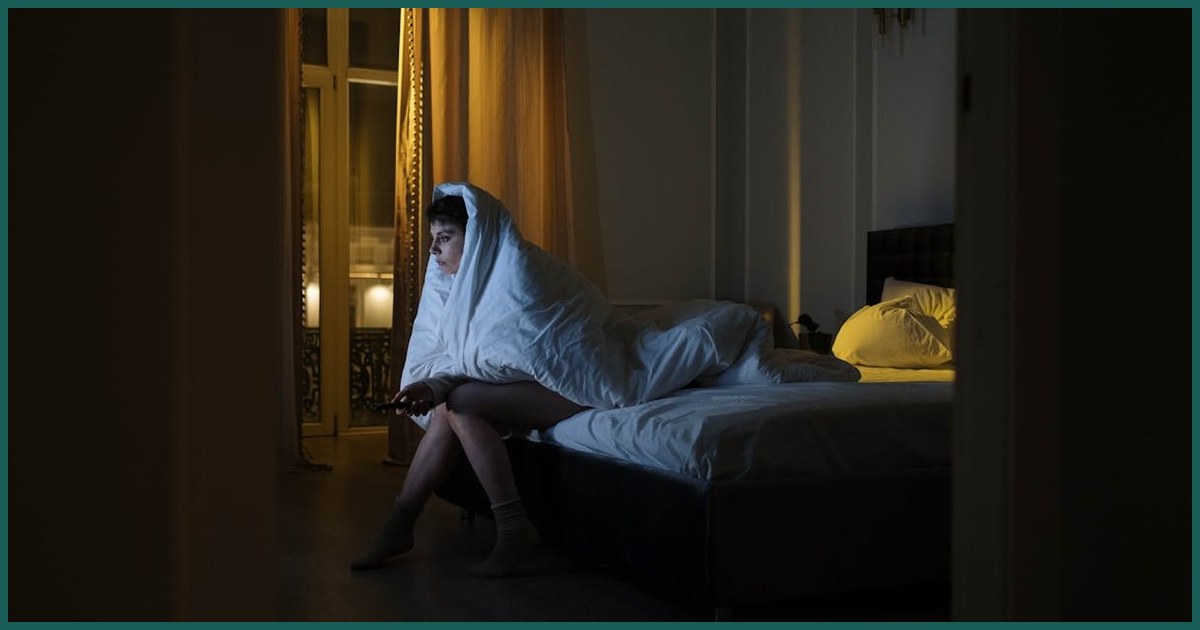
You are awake again at 3 a.m., heart going, sheets damp, mind spinning, and the question underneath it all is not "how do I fall back asleep." It is "is this the hormones, or is it the wine?" The honest answer is that in your late 40s and 50s it is almost always both, and they feed each other, which is exactly why it feels impossible to untangle from inside a sleepless night.
The women who come to us in perimenopause tend to phrase it the same way: "I only have a couple of glasses to switch my brain off," or "I used to sleep fine, now I'm wide awake at 3 and I don't know if it's my age or the drinking." Maybe that is you. Maybe you are reading this because someone you love has been saying it. Either way, this is not a piece about willpower. It is about the specific trap this life stage sets, and the exit that most menopause articles leave out.
Why Am I Drinking More Wine in Perimenopause?
Because sleep is broken, the evenings are harder than they used to be, and wine is the tool that works tonight. This is not weakness. It is a completely understandable response to a real problem. The research bears that out: in a 2025 study in the journal Women's Health, 36% of perimenopausal women were drinking at hazardous levels, more than women before menopause (33%) or after it (23%), and the strongest driver was drinking to cope with menopause symptoms.
In perimenopause, estrogen and progesterone start to decline and, just as disruptively, to swing unpredictably, high one week and low the next. Progesterone is the calming, sleep-promoting hormone, so as it drops and becomes erratic, falling asleep and staying asleep get harder. Anxiety rises. The evenings that used to feel like a wind-down start to feel like a wall.
So you pour a glass. It works, at least for the first hour. Your shoulders drop, the noise in your head quiets, you get drowsy. The trouble is what happens next, and it is the piece almost nobody explains.
Does Wine Actually Help You Sleep During Menopause?
No. Wine gets you unconscious, not asleep, and that distinction is the whole problem. Alcohol is a sedative, so it knocks you out quickly, which is why it feels like it is helping. But the sleep it gives you is shallow and broken. It is such a reliable pattern that nearly 9 in 10 people who regularly drink in the evening report at least one sleep problem.
As your body clears the alcohol in the second half of the night, everything rebounds. The calming brain chemistry it boosted drops away, the excitatory chemistry surges back, and cortisol, your stress hormone, rises earlier and higher than it would have on a dry night. That is the 3 a.m. jolt: awake, warm, wired but exhausted. In other words, the wine wrecks the exact restorative sleep it was supposed to fix, so the insomnia gets worse, and the nightly dose quietly creeps up to chase the same relief. We break the biochemistry of this down further in why alcohol makes sleep worse.
Now layer that on top of a perimenopausal brain that is already sleeping badly, and you have two sleep-wreckers stacked on the same night, each making the other harder to see.
Is It Menopause or Alcohol Waking Me at 3 a.m.?
The two wake-ups have different fingerprints, even though they land at the same hour. A hormonal wake-up usually comes with heat, a hot flash or night sweat that surfaces you drenched and then chilled, and it can happen on nights you have not touched a drink. An alcohol-driven wake-up is more of a wired-tired jolt, a racing mind and pounding heart as the alcohol clears, and it tracks your drinking nights specifically.
| Hormonal 3 a.m. wake-up | Alcohol-driven 3 a.m. wake-up | |
|---|---|---|
| How it feels | A heat surge first: hot flash or night sweat, waking drenched then cold | Wired but exhausted: racing thoughts, elevated heart rate, low-grade dread |
| When it happens | Can happen on alcohol-free nights; may track your cycle | Follows drinking nights; worse the more you drank |
| What is driving it | Fluctuating estrogen and falling progesterone disrupting temperature and calm | A cortisol and brain-chemistry rebound as alcohol leaves your system |
| What changes it | Managed with your own menopause clinician over months | Eases within one to two weeks of drinking less |
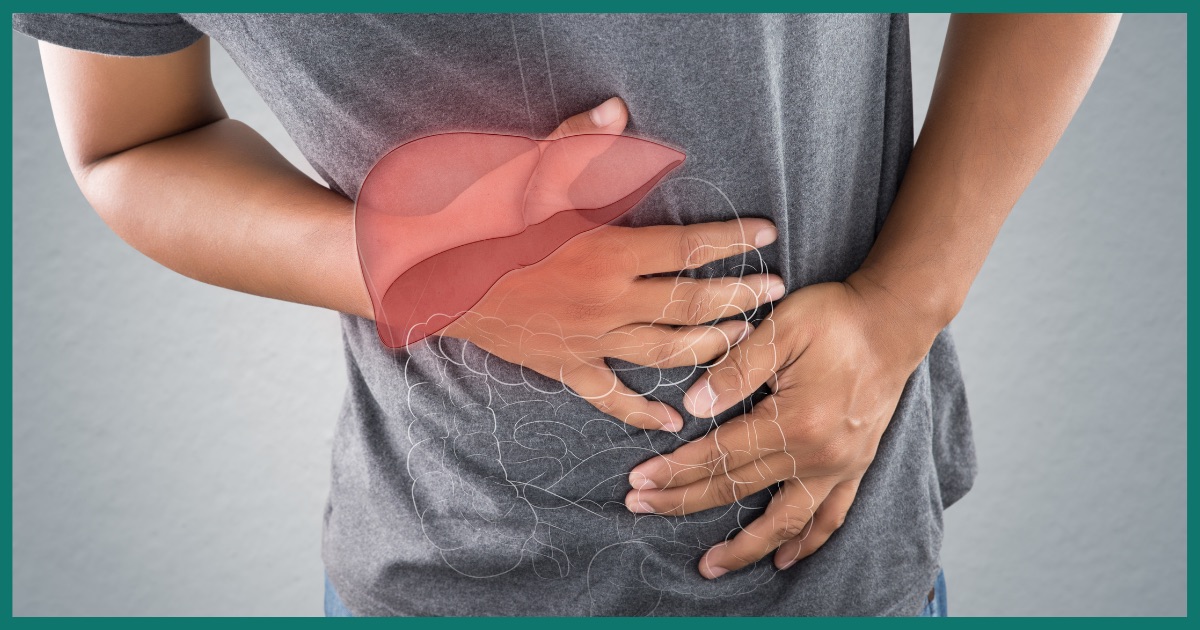
Here is the honest complication: alcohol does not just sit beside the hormonal symptoms, it amplifies them. Drinking raises your body temperature and dilates the blood vessels under your skin, which can set off or worsen the very hot flashes and night sweats that look purely hormonal. It also slows the liver's job of clearing estrogen, nudging hormone-related symptoms up. So the wine can masquerade as menopause while quietly making menopause worse.
The cleanest home test costs nothing: watch what happens on genuinely alcohol-free nights. If the 3 a.m. wake-ups ease on the nights you do not drink, alcohol is doing a large share of the driving. If they carry on unchanged, hormones are doing more of the work. For most women in this stage, it is a mix, which is good news, because the alcohol half is the half you can change quickly.
Why Can't I Just Cut Back?
Because cutting back by willpower asks you to win a chemistry fight, and it asks you to do it during the life stage with the least spare bandwidth you have ever had. Broken sleep, brain fog, higher anxiety, a full plate of work and family, and now you are also supposed to white-knuckle your way past a nightly craving that your own disrupted sleep keeps feeding.
Every time you drink, alcohol releases a small hit of the brain's own reward chemistry, and your brain learns, night after night, that wine equals relief. That learned loop does not care how motivated you are on Monday. This is why the familiar pattern, cut back, feel good, relax the rules, drift back, repeats: you are managing a conditioned reflex with a tired prefrontal cortex.
The reflex is the thing that needs to change, not your character. And there is a way to change the reflex itself.
You Do Not Have to Quit: The Sinclair Method
This is the part that almost never gets mentioned. The Sinclair Method uses a medication called naltrexone to gradually switch off the reward alcohol gives you, so the craving fades on its own, without you having to go sober by force.
Here is the plain-language mechanism. You take one naltrexone tablet about an hour before you drink. Naltrexone blocks the opioid receptors that alcohol normally uses to deliver its little reward. So you can still have your wine, but the drink stops "paying out." Over weeks and months of drinking with that block in place, your brain slowly unlearns the loop, a process called pharmacological extinction. The wine becomes easier to take or leave, the amount comes down naturally, and the sleep improves as a direct result of drinking less. Naltrexone is approved by Health Canada for alcohol use disorder and is one of the best-evidenced medications in the field. In the largest meta-analysis of alcohol-medication trials, published in JAMA, it had a number needed to treat of just 12 to prevent a return to heavy drinking, among the strongest results for any medication in the field.
You are not being asked to quit tonight, or to identify as an alcoholic, or to hit a rock bottom first. You can read what the process actually feels like week by week in our guide to drinking on naltrexone, or the fuller overview of The Sinclair Method.
The Two Questions Every Woman Asks Us Next
First: does naltrexone interfere with my HRT? There is no known pharmacological interaction between naltrexone and hormone therapy, and no contraindication to using them together. They work on entirely different systems, naltrexone on opioid receptors, hormone therapy on hormone receptors, so one does not block or degrade the other. Your prescriber will still review your full medication list before starting anything, and your menopause care stays with the clinician who manages it. We are the alcohol specialists, not your hormone doctor, and we will not step on that.
Second: is this the same as the "LDN" my friend takes? No, and this trips a lot of people up because it is the same drug at a very different dose, for a completely different job.
| Low-dose naltrexone (LDN) | Sinclair Method (naltrexone for alcohol) | |
|---|---|---|
| Typical dose | About 0.5 to 4.5 mg | 50 mg (often 25 mg for the first week) |
| When you take it | Every day | Only on drinking days, about an hour before the first drink |
| What it is for | Off-label use for chronic pain, inflammation, some autoimmune conditions | Reducing alcohol use by extinguishing its reward |
| How it works | Brief receptor block that nudges the body's own signalling up | Full receptor block during drinking, so alcohol stops rewarding |
Same molecule, but different doses doing genuinely different jobs. Which one fits you, if either, is a decision only a prescriber can make with you, which is exactly why it belongs in a proper assessment rather than a search bar.
What Actually Changes When the Wine Comes Down
The first thing most women notice is not dramatic. It is that they stop waking at 3 a.m. quite so often, and when they do wake, they can get back to sleep. Sleep gets deeper and more consolidated, usually within the first week or two of drinking less, because the alcohol rebound is no longer stacking on top of the hormonal one.
From there the mornings shift. The low-grade dread and fog that people had written off as "just perimenopause" often lift a good deal, because a chunk of it was alcohol-disrupted sleep all along. And the 6 p.m. reflex, the automatic reach for the bottle the moment the day loosens, slowly turns back into an actual choice. Not forbidden, not white-knuckled, just no longer running on autopilot.
None of this is a personality transplant. The hot flashes that are genuinely hormonal still need your menopause clinician. But the half of the picture that alcohol was driving is the half that moves fast, and watching it move is often what finally makes the whole thing click.
How Heal@Home Can Help in Ontario
At Heal@Home, the whole process is virtual and private, for people across Ontario. You book a confidential assessment, meet a Canadian nurse practitioner who understands The Sinclair Method, and if it is appropriate, they prescribe naltrexone directly to your pharmacy. You are also matched with a counsellor, so the assessment, the prescription, and the therapy all happen in-house rather than being handed off.
Two details matter to a lot of women at this stage. We are private pay, so there is no OHIP record of this, and there is no referral to chase and no waiting room. That is different from the common coaching route, where someone helps you set goals and then refers you elsewhere for the actual medical care. Here the prescriber and the counsellor are the same team.
If you are reading this for someone you love rather than yourself, the same logic holds: it works best once she has decided she wants something to change, and understanding the options gives you somewhere real to point her. You might also find our broader guide to alcohol and menopause and our post on cutting back on nightly wine useful next reads.
Not sure if it is the hormones or the wine?
You do not have to figure that out alone, or quit to find out. A confidential conversation with our team can walk you through whether The Sinclair Method fits your situation. Contact us today or call 647-545-6751.
Interested in our Program?
Our team provides a private, 12-week protocol designed to help you regain control from home.
Speak with our Team