Why Do I Wake Up at 3am After Drinking? What Alcohol Does to Your Sleep
By Sophie Solmini
Founder, ICADC, MATS, NCRC
Clinical Context: This article is reviewed by a Certified Alcohol and Drug Counsellor. It provides educational information and is not a substitute for professional medical advice.
The 3am Wake-Up
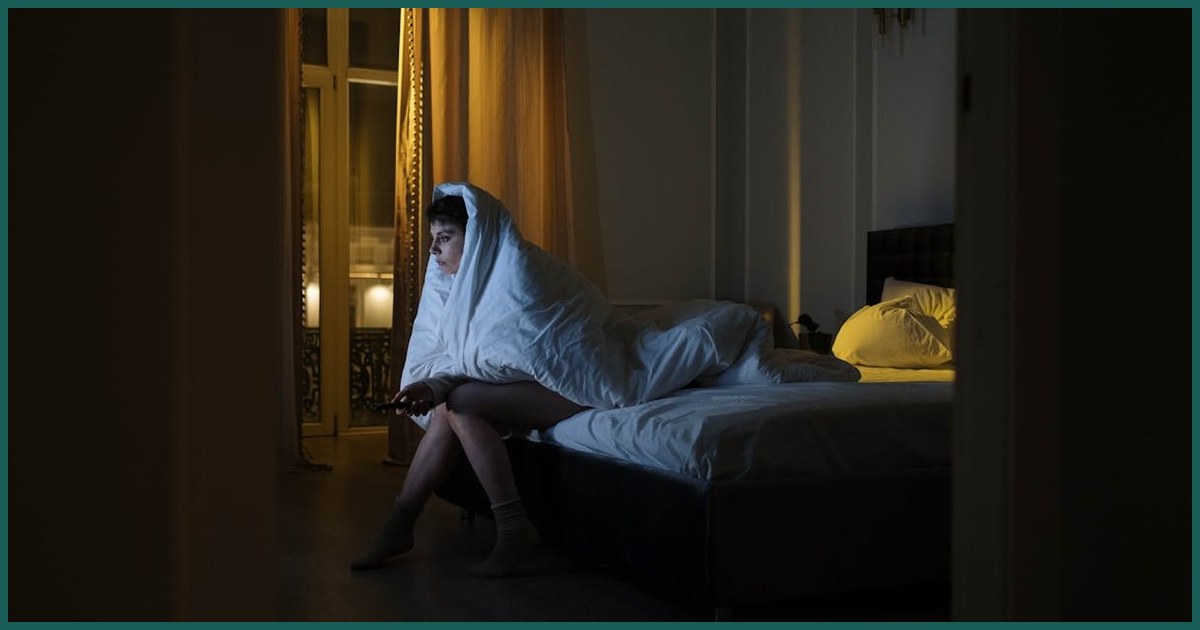
Alcohol disrupts sleep by suppressing REM sleep in the first half of the night and triggering a cortisol and glutamate rebound in the second half. This is why so many people wake up around 3am after drinking, eyes open, mind racing, heart elevated, and unable to fall back asleep. Even one to two drinks measurably reduce sleep quality, which is why grey area drinkers often wake up exhausted after nights they considered moderate.
If you have been blaming your 3am wake-ups on stress, hormones, or age, and you drink most nights, there is a simpler explanation worth considering. Here is what alcohol is actually doing to your sleep, even in amounts you would not call a problem.
How Does Alcohol Actually Affect Sleep?
Alcohol is a sedative. That is why it feels like it helps you fall asleep. But the sleep you get after drinking is not the same sleep you get sober.
In the first half of the night, alcohol suppresses REM sleep and pushes you into deeper non-REM sleep. You feel like you are sleeping hard, and in a sense you are. But you are skipping through the REM cycles that handle memory consolidation and emotional processing.
In the second half of the night, as your body metabolizes the alcohol, things reverse. You get a REM rebound, but it is fragmented. Sleep gets lighter, interrupted, and restless. A major review by Ebrahim and colleagues looked at every significant study on alcohol and sleep and found the pattern holds across nearly all drinkers: alcohol reduces total REM sleep and increases wake time after sleep onset, even at moderate doses. You fall asleep faster. You sleep worse.
What Is Happening in Your Body at 3am?
The 3am wake-up has a specific biochemistry behind it. When you drink, alcohol enhances GABA, the calming neurotransmitter, which is why you feel relaxed and sleepy. At the same time, it suppresses glutamate, the excitatory neurotransmitter.
As the alcohol clears your system, both of those systems rebound. GABA activity drops off, and glutamate surges back up. Cortisol rises at the same time, sooner and higher than it would on a sober night. Your sympathetic nervous system gets activated. Heart rate climbs. Body temperature shifts. You wake up.
This is the "wired tired" feeling. You are exhausted, but you cannot fall back asleep because your body is in a low-grade stress response. It is not in your head. It is in your bloodstream. For a closer look at the anxiety piece that often shows up alongside this, see our guide to hangxiety.
Why Does Two Glasses of Wine Still Wreck My Sleep?
This is where grey area drinkers get caught off guard. You do not need to be drinking heavily to see these effects. Research consistently shows that even one to two drinks in the evening reduce sleep quality measurably, often by 10 to 15 percent on objective sleep tracking.
Two glasses of wine contain enough alcohol that your body is still processing it three to four hours later. If you drink at 8pm and go to bed at 11pm, your liver is still metabolizing alcohol well past midnight. The rebound hits in the early morning.
This is why many grey area drinkers describe a paradox. They drank less than their friends, did not feel drunk, went to bed at a reasonable hour, and still woke up exhausted. The amount was not the problem in the social sense. It was the problem in the physiological sense.
If You Drink Most Nights and Want the Wake-Ups to Stop
The fastest way to fix alcohol-disrupted sleep is to drink less, on fewer nights, and you do not have to quit to get there. If cutting back on your own keeps sliding, there is a medical route for exactly this pattern.
The Sinclair Method uses Naltrexone, a prescription medication approved in Canada for alcohol use disorder, taken about an hour before you drink. It blocks the reward alcohol produces, so the pull to keep pouring fades over weeks and months. Fewer drinks means less alcohol to metabolize overnight, and the 3am rebound gets smaller with it.
In Ontario the whole process can happen online: the assessment, the prescription sent to your own pharmacy, and the follow-up. Our guide to getting Naltrexone online in Ontario walks through the steps and the cost, and our programs and pricing are listed openly.
The Sleep Cost Most Grey Area Drinkers Never Notice
The subtle part of grey area drinking and sleep is that if you drink most nights, you never get back to baseline. You do not know what your non-alcohol sleep feels like because you have not slept a clean week in months, or years.
Many grey area drinkers have internalized a version of tired that is actually alcohol-disrupted sleep. They blame it on work, on the kids, on getting older, on stress. All of those things are real and contribute. But the variable that changes most predictably from week to week is the drinking.
If you are a woman in your 40s or 50s, the sleep disruption stacks with the hormonal changes of perimenopause and menopause, making the combined effect worse than either alone. Many women in this phase describe years of fatigue before realizing that two or three glasses of wine, multiple nights a week, was compounding the hormonal sleep issues rather than helping them.
How Sleep Recovers When Drinking Changes
Sleep architecture is resilient. When drinking stops or significantly decreases, REM returns, the cortisol rebound softens, and total sleep quality improves, often within one to two weeks. Many people report noticeably deeper, more consolidated sleep after about ten days without alcohol.
For grey area drinkers, the challenge is usually not willpower. It is the cycle of cutting back, feeling good, relaxing the rules, and drifting back. That cycle is exactly what The Sinclair Method, described above, is designed to interrupt, and the sleep returns on its own, because you are simply drinking less.
For a sense of what this process actually feels like from the inside, our guide to drinking on Naltrexone walks through the experience week by week.
Waking up wired tired after "just two glasses"?
You do not need to have a drinking problem to want your sleep back. If the 3am wake-up pattern feels familiar, a confidential conversation with our team can walk you through whether The Sinclair Method is the right fit. Contact us today or call 647-545-6751.
Interested in our Program?
Our team provides a private, 12-week protocol designed to help you regain control from home.
Speak with our Team