What Does Drinking on Naltrexone Actually Feel Like?
By Sophie Solmini
Founder, ICADC, MATS, NCRC

Clinical Context: This article is reviewed by a Certified Alcohol and Drug Counsellor. It provides educational information and is not a substitute for professional medical advice.
The Question Behind the Science
You have read about The Sinclair Method. You understand the science. Naltrexone blocks opioid receptors, alcohol stops delivering its usual reward, and over time your brain unlearns the craving. It makes sense on paper.
But there is a question the clinical explanations never quite answer: what does it actually feel like to sit down with a drink after taking the pill? This is one of the most common questions we hear at Heal@Home, and it deserves a straightforward answer.
The Short Version
Drinking on Naltrexone feels unremarkable. That is the whole point.
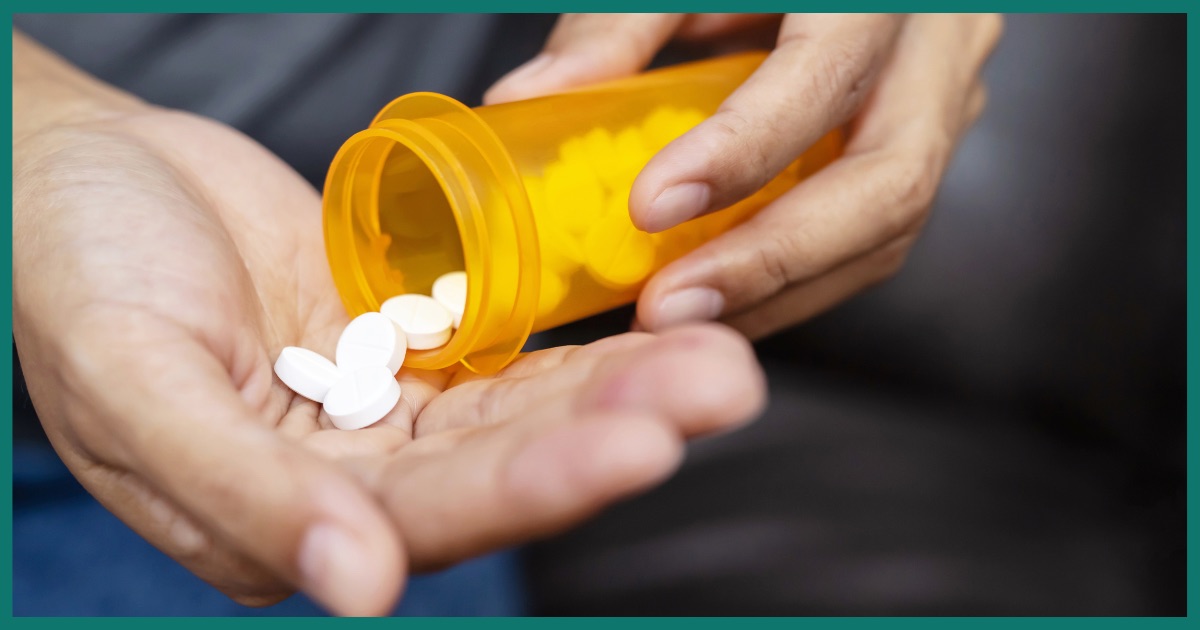
You take 50mg of Naltrexone about one hour before your first drink. The alcohol still enters your system. You still feel its physical effects: the warmth, the slight looseness, the impairment. None of that changes. What changes is the payoff. The satisfying "click" that usually comes with the first sip or two, that signal from your brain that says "yes, more of this," is muted or absent entirely.
Most people describe it as drinking something that tastes the same but delivers less. The mechanical act of drinking is unchanged, but the emotional pull behind it fades.
What You Will Still Feel
This is important to understand: Naltrexone does not make you sober while drinking. It is not a shield against intoxication. If you drink enough, you will still get drunk. You will still have impaired coordination, slower reaction times, and slurred speech.
The medication blocks the endorphin reward. It does not block the alcohol itself. Your liver still processes ethanol the same way. Your blood alcohol level still rises. You can still make poor decisions, still get a hangover, and still put yourself at risk if you drive.
This distinction matters because some people assume Naltrexone somehow neutralizes alcohol. It does not. What it does is remove the reinforcement loop that makes you want to keep going.
What Changes Over Time
The first few sessions on Naltrexone can feel strange. You might find yourself reaching for a second drink out of habit, only to realize halfway through that you do not actually want it. You might notice you are drinking more slowly, or that you forgot about the glass sitting next to you. Some people describe it as the volume being turned down on a song they have been hearing for years.
Over weeks and months of consistent use, this effect compounds. The brain is remarkably efficient at dropping behaviours that no longer produce a reward. This process, called pharmacological extinction, is gradual. It is not dramatic. There is no single moment where everything shifts. Instead, most people look back after several weeks and realize they are drinking significantly less without having fought a daily battle to get there. Sinclair's foundational research in Alcohol & Alcoholism documented this pattern in clinical trials with success rates around 78%.
This is what separates The Sinclair Method from willpower-based approaches. You are not white-knuckling your way through cravings. The cravings themselves are being dismantled at a neurological level, one unrewarded drinking session at a time. If you are still in the early days and craving feels intense, our guide on how to beat alcohol cravings covers complementary strategies that pair well with the medication.
The Emotional Side
Here is something the clinical literature does not always capture: there is often a strange grief that comes with this process. Alcohol was your companion, your stress release, your ritual. When Naltrexone takes the shine off it, some people feel a sense of loss even though they know rationally that this is what they wanted.
This is normal and it is temporary. It is also exactly why The Sinclair Method works best when paired with therapeutic support. Having someone to talk through that adjustment with, someone who understands the neuroscience and the emotional reality of it, makes a meaningful difference in how smoothly the process goes.
At Heal@Home, every client on our 12-Week Comprehensive program has regular therapy sessions built into the protocol for exactly this reason. The medication does the biological work. The therapy helps you navigate what comes up as your relationship with alcohol changes.
Common Questions
Will I feel sick if I drink on Naltrexone?
No. Naltrexone is not Antabuse (disulfiram). It does not cause nausea or vomiting when combined with alcohol. Some people experience mild nausea from the medication itself in the first few days, but that typically passes quickly and has nothing to do with drinking. For a deeper look at what to expect, see our guide on Naltrexone side effects.
Will I still enjoy going out?
Yes. What most people find is that they can still enjoy the social setting, the food, the company. What diminishes is the compulsive drive to keep drinking. Many clients tell us they actually enjoy social events more because they are present for them instead of chasing a buzz.
What if I forget to take the pill before drinking?
If you drink without taking Naltrexone first, the full reward signal fires. That single session reinforces the neural pathway you are trying to weaken. Consistency is essential. The protocol only works when the medication is on board before alcohol enters the picture.
How long before I notice a difference?
Most people notice a subtle shift within the first few sessions. Measurable reductions in consumption typically emerge within 4 to 8 weeks. Full pharmacological extinction, where the craving is substantially reduced, usually takes 3 to 6 months of consistent use.
The Bottom Line
Drinking on Naltrexone feels like drinking without the hook. The alcohol is still there, but the invisible pull that made you reach for one more, and then one more after that, loses its grip.
It is not a dramatic transformation. It is a quiet, steady unwinding of a pattern your brain built over years.
Curious whether The Sinclair Method fits your situation?
Our team can walk you through what the protocol actually looks like with proper medical oversight. No pressure, no commitment, just an honest conversation. Explore our programs, book a free call, or call 647-545-6751.
Interested in our Program?
Our team provides a private, 12-week protocol designed to help you regain control from home.
Speak with our Team