Does Naltrexone Make Hangovers Worse? The Nalover, Explained
By Sophie Solmini
Founder, ICADC, MATS, NCRC
Clinical Context: This article is reviewed by a Certified Alcohol and Drug Counsellor. It provides educational information and is not a substitute for professional medical advice.
The Morning-After Question
A nalover is a hangover that happens after drinking alcohol while taking Naltrexone. The term originated in online recovery communities, particularly on Reddit and Facebook groups dedicated to The Sinclair Method. It is not a clinical term, but it describes a real experience that many people on Naltrexone recognize.
If you have recently started The Sinclair Method and noticed that your hangovers feel different or more intense than usual, you are not imagining it. Here is what is happening and what you can do about it.
What a Nalover Feels Like
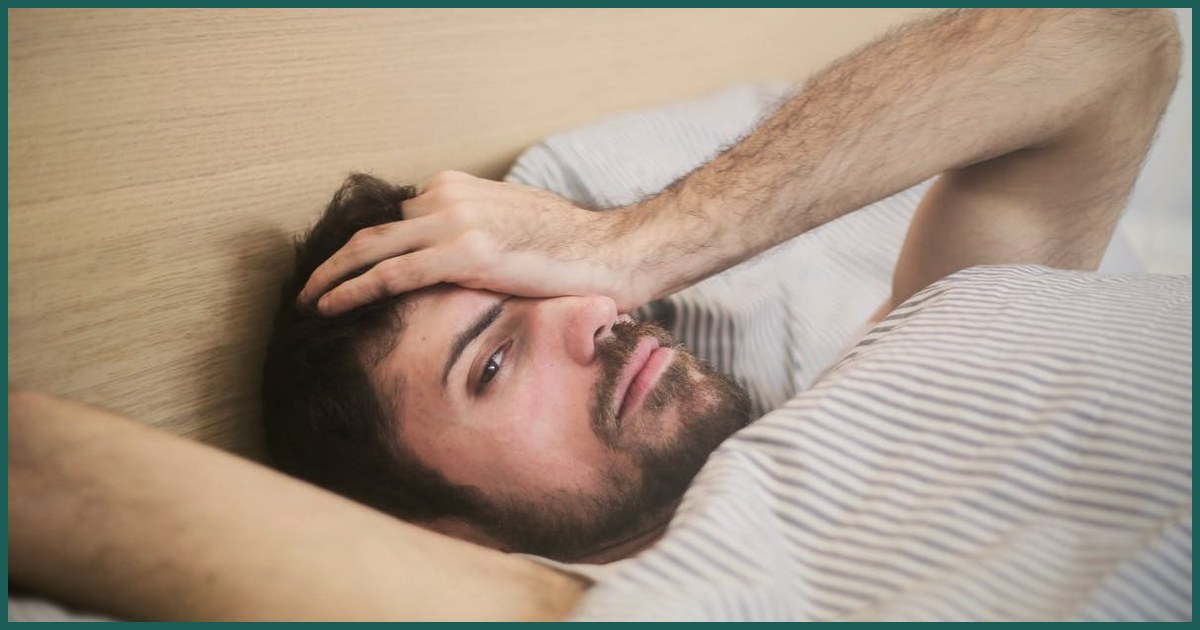
People who experience nalovers describe them as similar to a regular hangover but with some differences in timing and intensity. The most commonly reported symptoms are headache, nausea, fatigue, and a general foggy or "off" feeling the morning after drinking on Naltrexone.
Some people report that nalovers feel worse than a typical hangover relative to the amount they drank. You might have only two or three drinks and wake up feeling like you had six. Others notice that the emotional flatness or low mood the next day is more pronounced than what they would normally expect.
Not everyone gets nalovers. Some people on Naltrexone report no difference at all in how they feel the next day. It varies from person to person, and it can vary from session to session for the same individual.
Why Nalovers Happen
There is no formal clinical research specifically on nalovers, but there are reasonable explanations grounded in how Naltrexone works.
Naltrexone blocks opioid receptors. When you drink without the medication, alcohol triggers endorphin release, and those endorphins partially buffer the toxic effects of alcohol. They contribute to the pleasant feeling during drinking and can soften the crash afterward. Sinclair's original research describes this reward blockade as the mechanism that drives pharmacological extinction. With Naltrexone on board, that endorphin buffer is blocked. The alcohol still does its damage to your body, but without the neurochemical cushion that normally masks some of the fallout.
In simpler terms: alcohol is a toxin. Your body always pays a price for processing it. Without the endorphin "glow" smoothing things over, you feel that price more clearly.
There is also a psychological component. When drinking feels less rewarding in the moment, which is exactly what happens when you are drinking on Naltrexone, the negative aftermath stands out more starkly. The cost-benefit ratio of drinking shifts. This is actually a feature of the process, not a bug. It is one more data point your brain uses to devalue the habit over time.
How to Manage Nalovers
The basics of hangover management apply here, with a few TSM-specific notes.
Hydrate before, during, and after drinking. This matters more on Naltrexone because you are not getting the same endorphin-driven "I feel fine" signal that might otherwise mask dehydration during a drinking session.
Eat before you drink. A solid meal slows alcohol absorption and reduces the overall impact on your body.
Drink less. This sounds obvious, but it is worth stating. Most people on The Sinclair Method are already drinking less over time. As your consumption drops, nalovers become less frequent and less intense. Many people find that by the time they are a few months into the protocol, nalovers are rarely an issue because they are simply not drinking enough to trigger one.
Track your sessions. If you are using a drinking log (Heal@Home provides this through our app), note when nalovers occur and what you drank. Patterns often emerge. Certain types of alcohol, certain quantities, or certain contexts might consistently produce worse mornings. This information is useful in your therapy sessions and helps your care team adjust guidance as needed.
Do not skip the medication to avoid a nalover. This is critical. If you drink without Naltrexone, you get the full reward signal, and that single unmedicated session works against the extinction process. A nalover is temporary discomfort. Skipping the pill sets back the work you have already done.
When to Talk to Your Care Team
Occasional nalovers are a normal part of the adjustment to The Sinclair Method for some people. But if you are experiencing severe symptoms, persistent nausea that lasts well into the next day, or if nalovers are discouraging you from continuing the protocol, that is exactly the kind of thing your medical team needs to hear about.
At Heal@Home, your care team monitors how the medication is working for you across the full arc of treatment. Dosage adjustments, timing changes, or other modifications to the protocol can often reduce nalover severity. The goal is always to keep you comfortable enough to stay consistent, because consistency is what makes The Sinclair Method work.
For a fuller picture of what Naltrexone can and cannot do in the body, see our guide to Naltrexone side effects.
The Bigger Picture
Nalovers are one of those topics that rarely makes it into the official literature but gets discussed constantly in online communities. If you search Reddit for "nalover," you will find hundreds of posts from people comparing notes on what they experienced and what helped.
What those conversations confirm is that nalovers are common, manageable, and temporary. They also tend to fade as the protocol progresses, partly because you drink less and partly because your body adjusts.
If anything, a nalover is a reminder that alcohol has real physiological costs, costs that were always there but were partially hidden behind an endorphin buffer. Seeing those costs clearly is uncomfortable, but it is also part of what helps your brain reassess whether drinking is worth it.
Dealing with nalovers on your own?
You do not have to figure it out alone. Our team understands The Sinclair Method inside and out and can help you adjust the protocol so it works smoothly for your body. Explore our programs, book a free call, or call 647-545-6751.
Interested in our Program?
Our team provides a private, 12-week protocol designed to help you regain control from home.
Speak with our Team